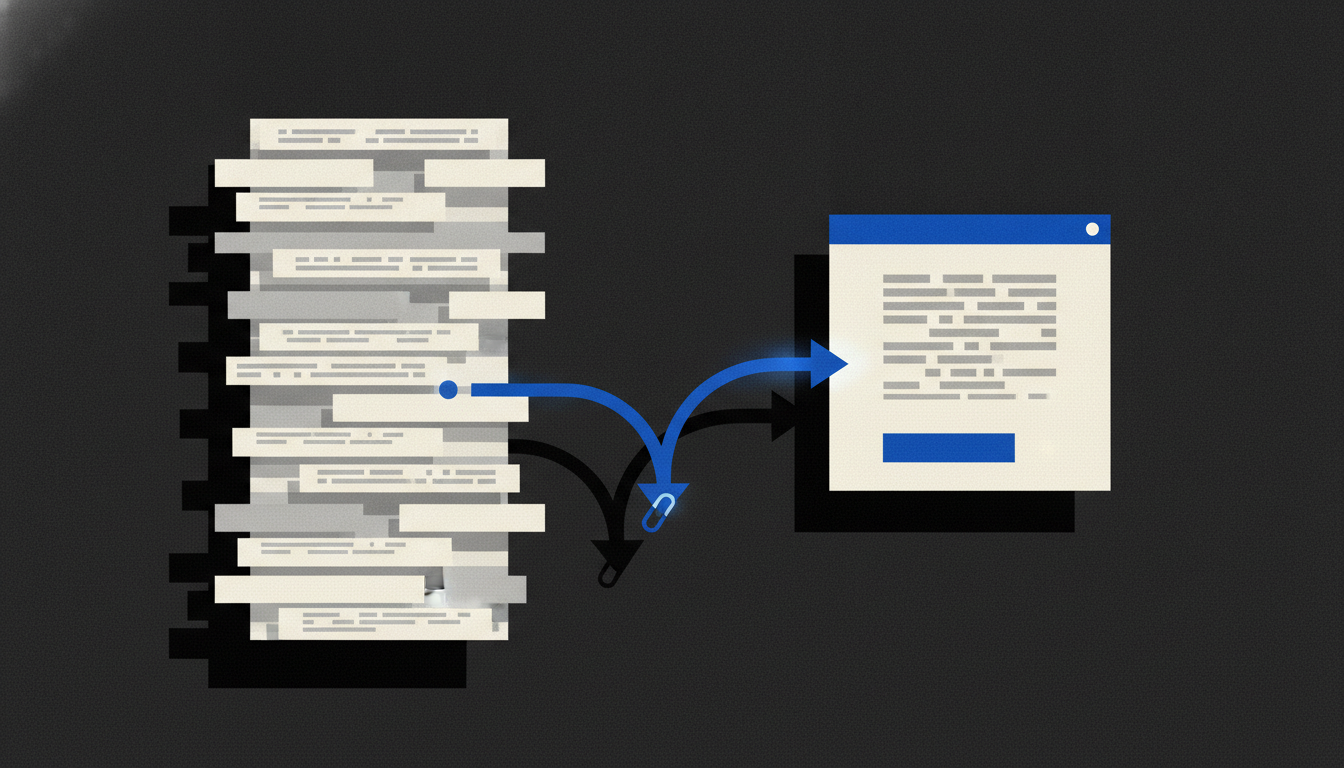
To structure your data for maximum AI discoverability and citation in 2026, you must create citable assets with specific, verifiable data points, use structured data markups like Schema.org, and clearly attribute expert sources. This approach makes your content a trusted, primary source for Large Language Models (LLMs) to reference.
Why Your Business Needs an "AI Citation" Strategy Now
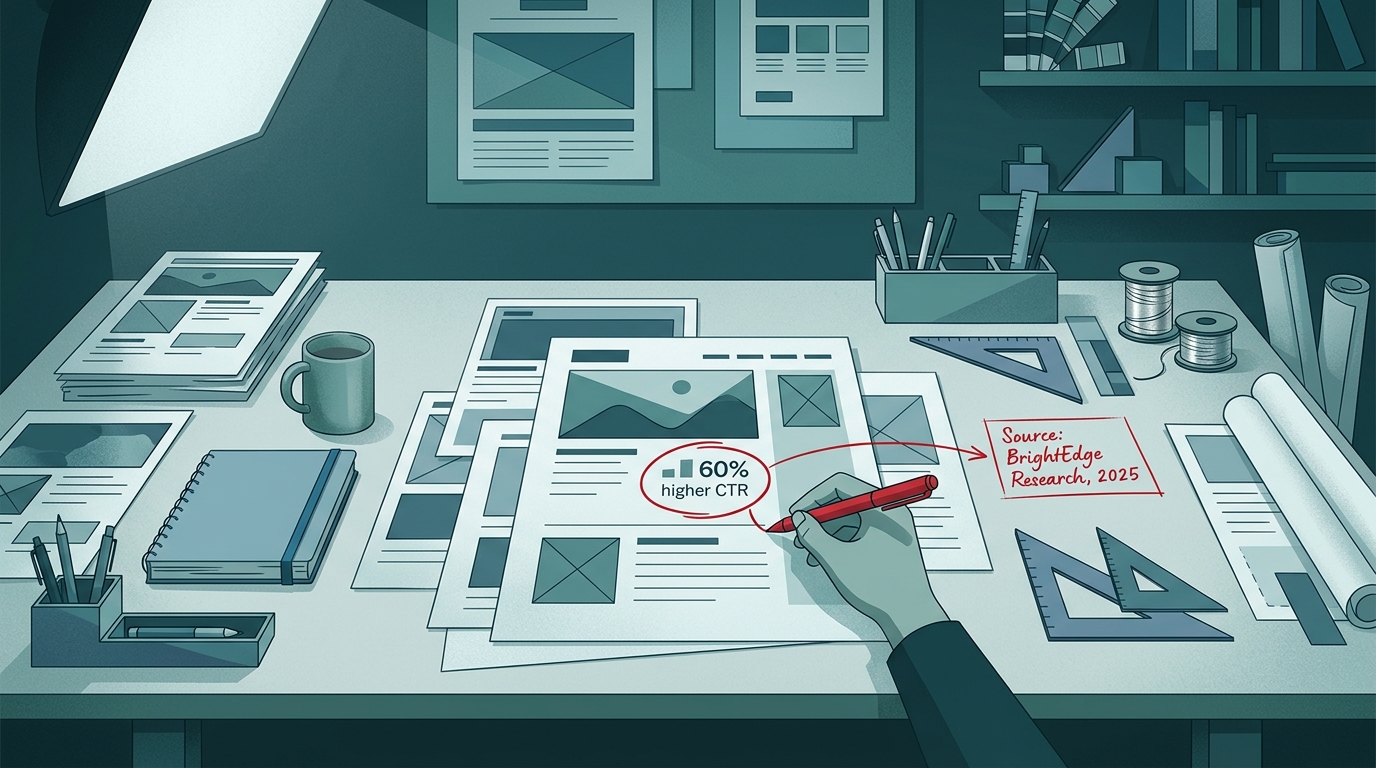
As of 2026, generative AI search experiences like Google's Search Generative Experience (SGE), Perplexity AI, and ChatGPT have fundamentally changed how customers find information. Instead of just clicking on a list of blue links, users receive direct, synthesized answers. The most valuable digital real estate is no longer just the #1 spot on a search results page—it's being the cited source within that AI-generated answer. When an AI model cites your business, it presents your brand as the authority on a topic. This builds immense trust and drives high-intent traffic directly to your site. A 2025 study from BrightEdge Research noted that AI-generated answers with clear citations saw a 60% higher click-through rate to the source material compared to non-cited answers. For a small business, being that cited source is a game-changing competitive advantage. Failing to adapt means becoming invisible. If your content isn't structured for AI consumption, you won't be cited. Your competitors who are creating citable, data-rich content will capture that traffic and authority.The Anatomy of Citable Content: What LLMs Look For
Large Language Models are trained to identify and prioritize content that exhibits signals of trust, authority, and factual accuracy. They are actively looking for "citable assets." Here’s what your content needs to include.1. Specific, Quantifiable Data
Vague statements are ignored. Specific, numbered data is citable. LLMs are designed to extract and present facts. Instead of writing "Our software improves efficiency," write "Our software improves user efficiency by an average of 32% within the first 60 days of implementation."
- Include unique data: Conduct your own customer surveys, analyze your sales data, or run a small industry poll. Publishing original research, like "Our 2026 Small Business Marketing Report," creates a primary source that LLMs are compelled to cite.
- Use dates and versions: Always specify the "as of" date for your data. For example, "As of Q2 2026, the average cost-per-click..." or "In Shopify 2.0 theme architecture..." This adds context and demonstrates timeliness.
- Reference historical data correctly: When using older data, frame it clearly. "A landmark 2024 study from Forrester found..." This shows you understand the data's context and aren't presenting old information as current.
2. Expert Attribution and Clear Sourcing
LLMs need to trace information back to a credible origin. Attributing insights to named experts or specific entities builds a chain of trust that the AI can follow and verify.
- Authoritative By-lines: Every article should have a clear author with a linked bio detailing their expertise and credentials. For example, "By Jane Doe, a certified Google Ads professional with 12 years of experience in retail PPC."
- Quoted Experts: Incorporate direct quotes from industry leaders or your own in-house experts. Format them correctly in the HTML using
<blockquote>tags. This creates a distinct, citable snippet. - External Links to Authoritative Sources: Link out to academic studies, government statistics (e.g., Bureau of Labor Statistics), or established industry reports. This demonstrates that your content is well-researched and situated within a broader expert consensus.
3. Structured Comparisons and Lists
AI models excel at parsing structured information. They can easily lift tables, lists, and direct comparisons to answer user queries. Format your key information in these ways to make it easy for an AI to grab.
Example: Shopify vs. BigCommerce - A Citable Comparison
Here is an example of a simple, structured comparison that an LLM can easily pull into a table to answer a "which is better" query.
- Pricing (Standard Plans as of Jan 2026): Shopify 'Basic' at $39/month vs. BigCommerce 'Standard' at $39/month.
- Transaction Fees (without native payments): Shopify at 2.0% vs. BigCommerce at 0%.
- API Rate Limits (Enterprise): Shopify Plus with 10 requests/sec/app vs. BigCommerce Enterprise with ~60,000 calls/hour.
- Product Variants Limit: Shopify at 100 variants per product vs. BigCommerce at 600 variants per product.
- Annual Sales Threshold (Standard Plans): BigCommerce 'Standard' has a threshold of $50k/year vs. Shopify 'Basic' has no public threshold.
This format is direct, factual, and perfectly engineered for AI citation.
4. Technical Structure: Schema Markup
Schema markup is a vocabulary of code that you add to your website's HTML to help search engines understand your content's context. It's like a translator that tells the AI precisely what your data means. For citable content, these schema types are crucial:
ArticleorBlogPosting: Identifies the author, publication date, and headline.FAQPage: Structures questions and answers, making them perfect for direct inclusion in AI results.Person: Defines an author or expert, connecting them to their credentials and publications.Organization: Establishes your business as the publisher and a formal entity.Dataset: Use this if you are publishing original research or data tables to signal that you have a unique dataset available for citation.
Using schema markup removes ambiguity and gives AI models high confidence in the accuracy and nature of your information.
Putting It All Together: Your AI Citation Checklist
Before you publish your next piece of content, run it through this checklist. Does it have...
- A Direct, Factual Opening? Does the first paragraph answer the primary question directly?
- Specific Numbers and Named Entities? Have you replaced vague terms with hard numbers, dates, and brand names?
- An Original Data Point? Is there at least one unique statistic from a survey, internal data, or analysis that no one else has?
- Clear Expert Attribution? Is the author's expertise clear? Are there quotes from named experts?
- A Structured Element? Does it include a bulleted list, numbered steps, or a comparison table?
- Appropriate Schema Markup? Have you implemented
Article,FAQPage, andPersonschema? - A Clear "As Of" Date? Have you time-stamped your data to ensure its temporal accuracy?
Creating content for AI citation isn't about keyword stuffing or old SEO tricks. It's about becoming the most trustworthy, clear, and data-rich source of information in your niche. By structuring your content this way, you're not just optimizing for a machine—you're creating higher-quality, more valuable content for your human audience, too.
Frequently Asked Questions
How is writing for AI citation different from traditional SEO?
Traditional SEO often focuses on ranking a full page for a keyword. Writing for AI citation focuses on creating specific, factual "nuggets" of information (like a single statistic or a table row) that an LLM can lift and feature directly in a generated answer. It prioritizes verifiable data and expert attribution over keyword density.
Can I update my old blog posts to be more citable?
Yes, absolutely. Go back to your most popular posts and enrich them with new data from 2026, add expert quotes, structure key information into tables or lists, and implement schema markup. This is often faster than creating a new post from scratch and can quickly turn existing assets into AI-discoverable resources.
What is the most important element for getting cited by AI?
The single most important element is publishing unique, specific, and verifiable data. If you are the primary source for a key statistic in your industry (e.g., "In our 2026 survey of 500 Shopify store owners, 78% listed shipping costs as their top challenge"), LLMs have a strong incentive to cite you as the originator of that fact.