Shopify Brand Building for Small Retailers: Stand Out or Get Scrolled Past
Building a recognizable brand on Shopify is the single most effective way small retailers increase repeat purchases, reduce reliance on paid ads, and compete against larger merchants without matching their budgets. A strong brand identity lifts conversion rates, strengthens customer loyalty, and gives your store a defensible position that no algorithm update can erase.
Most small Shopify stores look identical. They use the same free themes, stock photography from supplier catalogs, and product descriptions copied directly from manufacturers. The retailers who grow past five figures in monthly revenue are the ones who invest early in differentiation. This guide walks you through the specific levers that separate forgettable stores from brands customers return to.
Why Brand Differentiation Matters More Than Discounting
Competing on price is a race to zero margin. When your only value proposition is "cheaper than the next store," you attract customers with zero loyalty and negative lifetime value. A 2024 Shopify merchant study found that branded stores with consistent visual identity and a clear customer promise generated 34% higher average order values than stores competing primarily on price.
Brand differentiation means customers choose you because of what you stand for, not just what you sell. That distinction drives word-of-mouth referrals, direct traffic, and email list growth, all of which lower your customer acquisition cost over time.
Define Your Brand Foundation Before Touching Your Storefront
Before adjusting a single theme setting, answer these four questions in writing:
- Who is your specific customer? Not "women aged 25–45" but "home cooks who want restaurant-quality tools without professional kitchen prices."
- What problem do you solve that competitors ignore? Identify the gap, not just the product category.
- What three words describe how shopping with you should feel? These words govern every copy and design decision.
- What do you believe that your competitors do not? Your brand belief becomes your most powerful differentiator over time.
Write a one-paragraph brand statement combining these answers. Pin it somewhere visible during every store update. Every design choice, every email subject line, and every product description should pass through this filter.
Shopify Theme Customization That Actually Differentiates
Shopify's theme store offers hundreds of templates, but the default settings make every store look similar. Differentiation comes from intentional customization, not template swapping.
Focus on these five elements:
- Typography pairing: Choose one serif and one sans-serif font. Shopify's theme editor lets you load Google Fonts or upload custom typefaces. Typography alone signals whether your brand feels premium, approachable, technical, or playful.
- Color palette discipline: Limit yourself to three brand colors plus one accent. Inconsistent color use is the fastest signal that a store is not professionally operated.
- Custom photography: Product photos shot against your brand's context (lifestyle images, styled flat lays, or in-use shots) communicate far more than white-background catalog photos. Smartphone photography with natural light outperforms stock imagery every time.
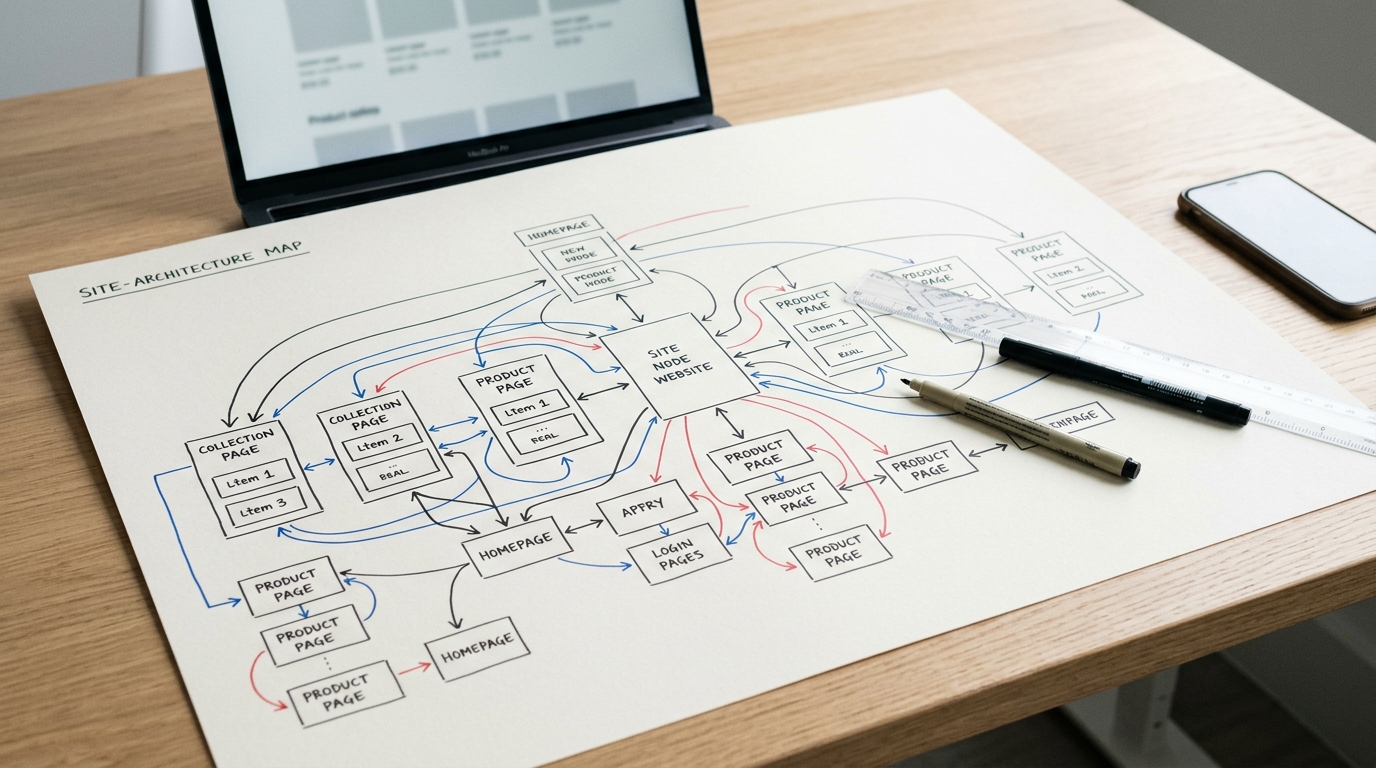
- Homepage narrative flow: Structure your homepage to answer: who is this for, what makes it different, why should I trust you, and what do I do next. Most Shopify homepages skip steps two and three entirely.
- Micro-copy voice: Button labels, error messages, empty cart text, and confirmation emails are brand touchpoints. Rewrite every default Shopify notification to match your three brand words.
Product Positioning: How to Write Descriptions That Differentiate
A product description that recites specifications sells nothing. A description that connects a product to a customer's identity, aspirations, or problem sells consistently.
Structure high-converting Shopify product descriptions in three layers:
- The outcome (first sentence): Lead with what the customer's life looks like after buying, not what the product is.
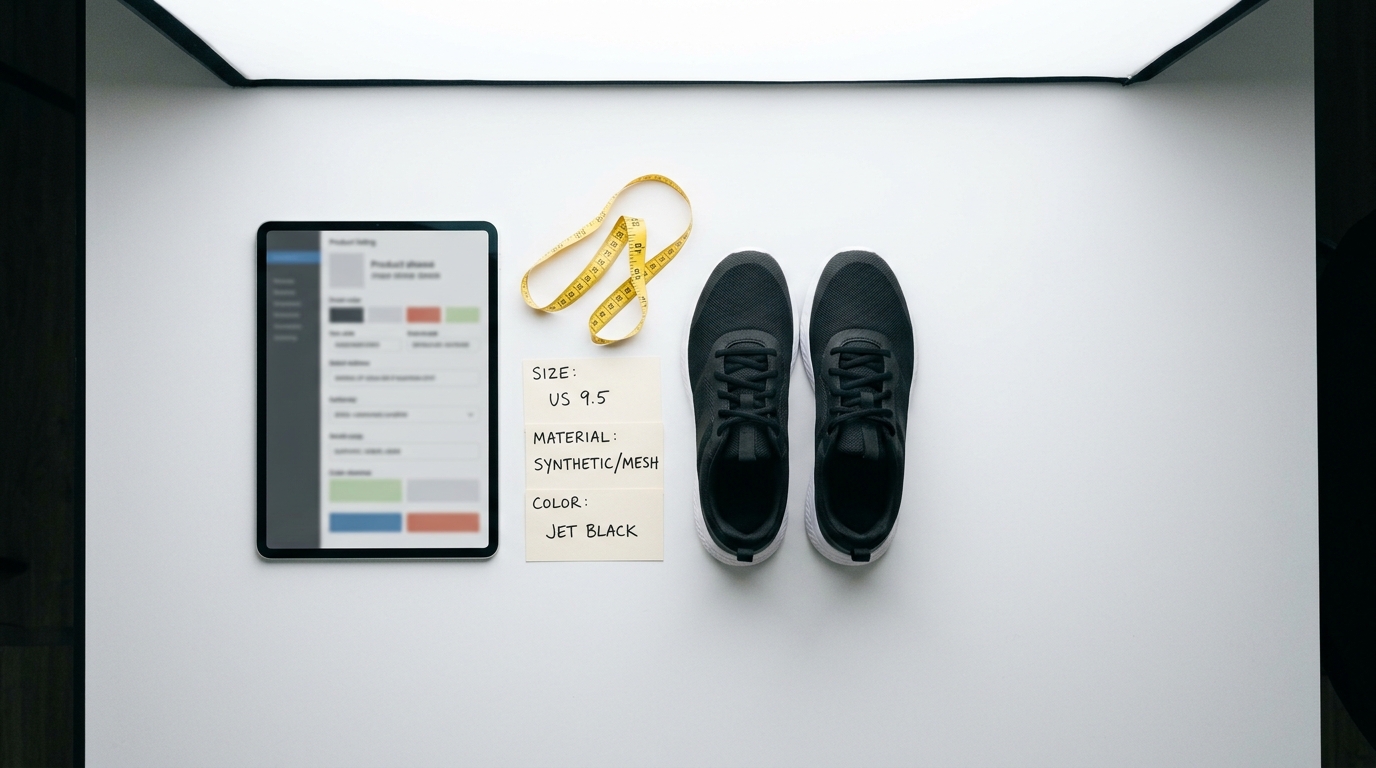
- The proof (middle section): Specifications, materials, dimensions, and certifications. Answer the rational objection.
- The brand belief (closing line): Connect the product back to why your store exists. This is the line that makes a description feel like it came from a real brand, not a product feed.
Avoid copying manufacturer descriptions verbatim. Duplicate content hurts your Shopify store's SEO foundation, and identical descriptions across multiple retailers make price comparison the only differentiator left.
Shopify Brand Building vs. Generic Store: Key Differences
| Element | Generic Shopify Store | Differentiated Brand Store |
|---|---|---|
| Product photos | Supplier white-background images | Original lifestyle photography in brand context |
| Homepage headline | "Welcome to [Store Name]" | Specific customer outcome or brand belief statement |
| Product descriptions | Copied from manufacturer spec sheets | Original copy connecting product to customer identity |
| Email notifications | Default Shopify templates | Branded voice, consistent with store tone |
| Color and typography | Theme defaults, inconsistent across pages | Defined palette and font system applied consistently |
| About page | Missing or one generic paragraph | Founder story, brand belief, and customer promise |
| Post-purchase experience | Generic "order confirmed" email | Brand story continuation, community invitation, next step |
Building Brand Loyalty Through the Post-Purchase Experience
Shopify's default post-purchase flow does nothing to build a relationship. The confirmation email confirms an order. That is it. Brands that retain customers treat the post-purchase window as the highest-leverage brand touchpoint in the entire customer journey.
Three actions that turn first-time buyers into repeat customers:
- Send a brand story email 24 hours after delivery. Not a review request. A short, personal message about why you started the store and what you believe about the product category. This is the email that gets forwarded.
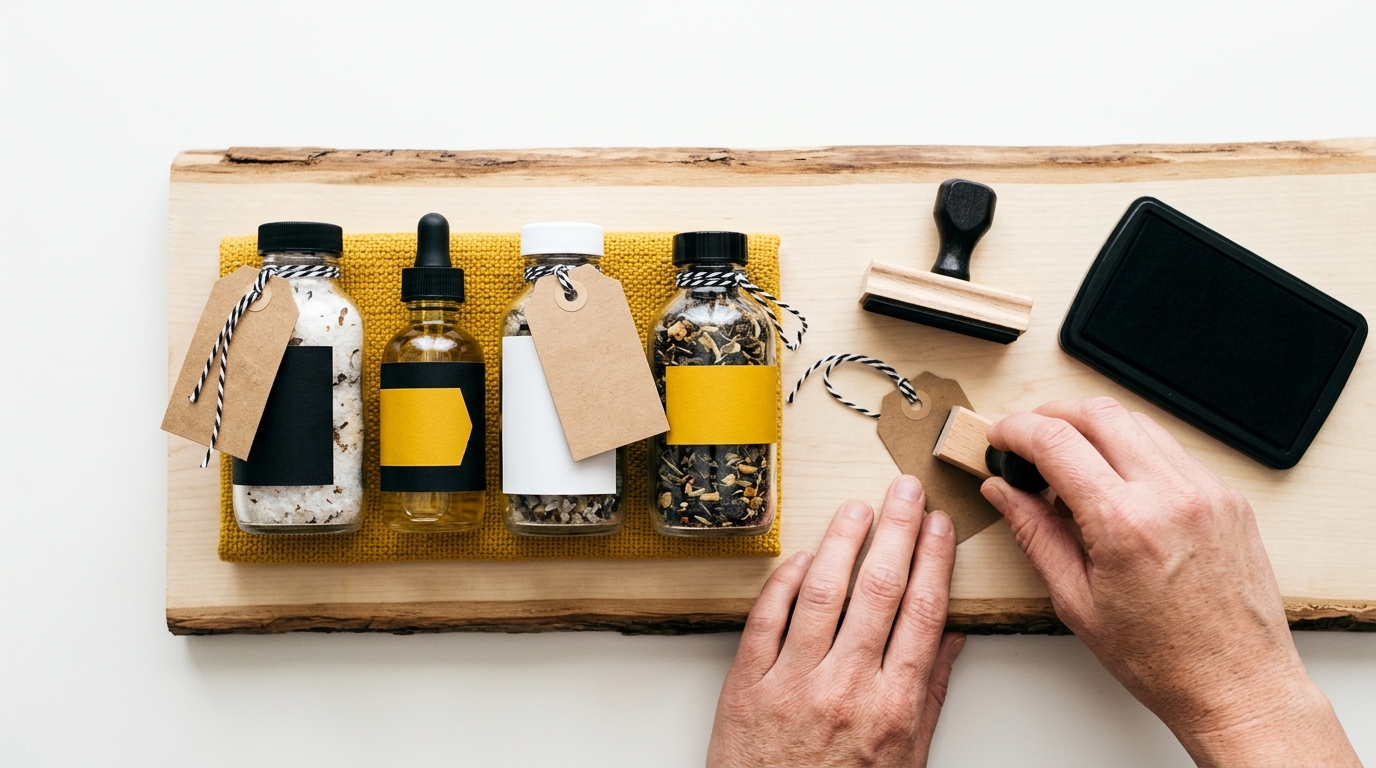
- Include a physical brand touchpoint in packaging. A handwritten thank-you card, a branded tissue paper, or a sticker costs less than $0.50 and generates social sharing that no ad budget can replicate at the same cost per impression.
- Create a customer onboarding sequence in Shopify Email or Klaviyo. Three to four emails spaced over the first 30 days that teach customers how to get the most from their purchase. Education builds trust. Trust builds repeat purchases.
SEO Foundation and Brand Signals Work Together
A consistent brand identity strengthens your Shopify store's SEO foundation because Google interprets brand signals as trust signals. When your store name, product names, and brand voice appear consistently across your website, social profiles, and external mentions, search engines treat your domain as an authoritative source rather than a thin affiliate-style catalog.
Practical brand-driven SEO actions for small Shopify retailers:
- Write a unique meta title and description for every product page using your brand voice, not generic category keywords.
- Build a brand content hub through a Shopify blog covering topics your specific customer searches for, not just product announcements.
- Claim and fully complete your Google Business Profile with brand-consistent descriptions and photography.
- Use structured data (available through Shopify's built-in product schema) to ensure your brand name, product names, and pricing appear correctly in rich results.
If you want ongoing SEO beyond the foundation, that requires a dedicated SEO campaign rather than standard store setup. The SEO foundation built into your store design gives you the technical base; ongoing keyword targeting and link building are separate work that compounds over time.
Shopify Brand Building FAQ
How long does it take to build a recognizable brand on Shopify?
Consistent brand recognition in a specific niche typically takes 12–18 months of disciplined execution. However, the conversion rate and average order value improvements from brand clarity are measurable within the first 60–90 days of implementing a consistent visual identity and customer-focused copy.
Do I need a professional designer to differentiate my Shopify store?
A professional designer accelerates the process significantly and prevents the inconsistency that undermines DIY brand efforts. That said, small retailers using Shopify's Dawn or Sense themes with a strict two-font, three-color system and original product photography can achieve strong differentiation without a full design project. The discipline of the system matters more than the sophistication of the assets.
Which Shopify apps support brand building for small retailers?
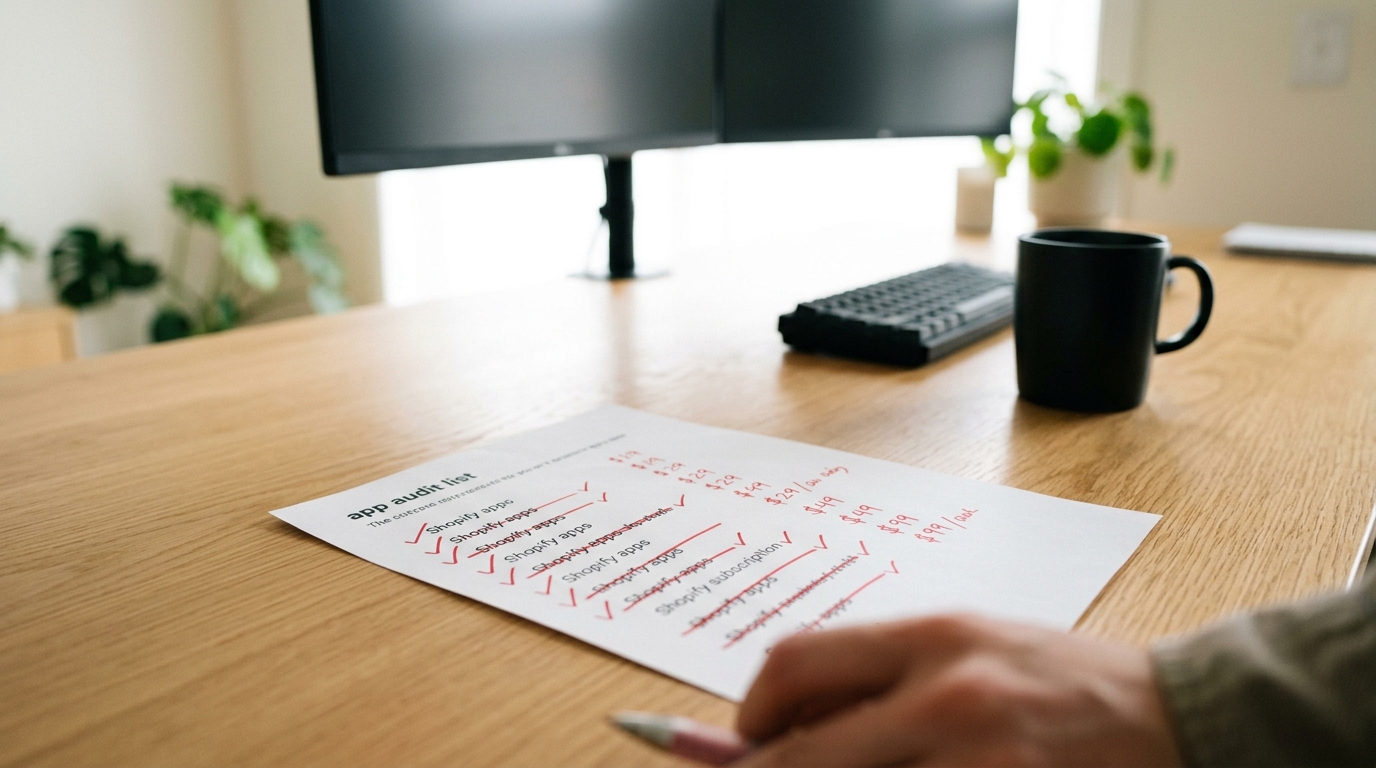
The most impactful apps for brand building are Klaviyo (post-purchase email sequences and customer segmentation), Loox or Judge.me (photo review collection that adds social proof in your brand context), and Rebuy (personalized product recommendations that keep customers within your brand experience). Avoid overloading your store with apps; each one adds page load time that hurts both conversion and SEO.
Should a small retailer invest in brand before investing in paid advertising?
Yes. Running paid ads to an unbranded Shopify store produces high click costs and low conversion rates because there is no reason for a first-time visitor to trust the store over a more established competitor. Establish brand clarity first, then use paid advertising to scale what is already converting organically. Ads accelerate a working brand; they cannot substitute for one.
How does brand differentiation affect Shopify SEO specifically?
Brand differentiation improves SEO through three mechanisms: original product copy reduces duplicate content penalties, a consistent brand voice increases time-on-site and reduces bounce rates (both behavioral signals Google uses), and a recognizable brand generates direct search traffic over time. Direct traffic is the strongest signal of domain authority and reduces your dependence on ranking for competitive transactional keywords.