Phoenix, AZ

Phoenix eCommerce SEO for shippers and sellers

The Valley of the Sun runs on distribution. Warehouse economics and one-day ground reach into Southern California make Phoenix a fulfillment metro, and that advantage belongs in your search strategy rather than buried in a footer.

How we work
eCommerce marketing in Phoenix, AZ
The Phoenix Market

What selling online out of Phoenix actually looks like

Phoenix earns its place in eCommerce through logistics rather than through any single product category. Land is available, warehouse space is comparatively affordable, and a truck leaving the West Valley reaches Southern California, Las Vegas and much of New Mexico inside a day. A lot of the stores headquartered here are, at heart, distribution businesses that happen to have a storefront attached.

That has a direct consequence for search work. Delivery speed is one of the few genuine differentiators a mid-size retailer still has, and most Phoenix sites hide it. Regional delivery content, order-cutoff clarity and stock accuracy affect both what a shopper decides and what an AI assistant reports when asked who can get something there quickly. Treating shipping as an operations detail rather than a marketing asset leaves the advantage unused.

Local demand also runs on an inverted calendar. Summer suppresses outdoor and home-project categories that peak everywhere else, while pool, cooling, shade and indoor categories move against the national grain. Winter brings a seasonal population that shops differently from year-round residents. A content calendar copied from a national template will consistently publish the right thing at the wrong time here.

The Valley's agency market has grown up around home services, real estate and hospitality, which are genuinely strong local specialisms and not the same discipline as catalog search. Product feeds, faceted navigation and SKU-level content are a different craft. Genius eCommerce does that work full time, from Philadelphia, for stores across the Southwest.
Industry Mix

The categories that trade hardest in the Valley of the Sun

Distribution & fulfillment-led retail
When speed is the advantage, regional delivery content and accurate stock data do more for conversion than another round of category copy.
Automotive aftermarket & off-road
Desert and off-road use drives fitment-heavy demand where compatibility data decides whether a page ranks or gets skipped.
Pool, patio & outdoor living
Demand peaks against the national calendar, so the publishing schedule has to follow local weather rather than a template.
Home goods & furniture
Large-parcel shipping economics make delivery zone, lead time and assembly information decisive at the point of purchase.
Pet supplies & consumables
Repeat purchase categories reward subscription content and replenishment-intent keywords that one-off product pages never capture.
What We Solve Here

Growing organic revenue from Phoenix

Phoenix retailers rarely compete against the store across town. They compete against national distributors, against manufacturers going direct, and increasingly against marketplace sellers operating out of the same industrial corridors. What separates them is usually service quality and delivery reliability, neither of which appears in search results unless someone puts it there. Locally, marketing expertise is concentrated in home services and hospitality, so a growing catalog business often finds that the best agencies in town have never worked a product feed. The practical outcome is sites with strong operations behind them and weak category structure in front, losing rankings to competitors who ship slower but publish better.

Unstated shipping advantage

Fast regional delivery is invisible if it only appears at checkout. It belongs on category, product and regional pages.

Inverted seasonality

Summer suppresses categories that peak nationally and lifts others. The content calendar has to follow local weather.

Fitment-driven catalogs

Aftermarket and off-road parts live or die on compatibility data being structured, accurate and crawlable.

Large-parcel logistics content

Freight items need delivery zone, lead time and assembly detail on the page, or the cart gets abandoned late.

Distributor-scale catalogs

Tens of thousands of SKUs generate thin and duplicated pages unless the templates are built to avoid it.

Service as a ranking signal

Reliability is a real differentiator. Review structure and support content make it visible to search and to AI assistants.

Proof

Real stores, real numbers

Every figure below is from a published case study, with nothing dressed up. None of these are templates or mockups.

AV Leaderz store

While fixing the more basic elements of the AV Leaderz site, we got an SEO campaign up and running in parallel. eCommerce SEO takes time to build momentum, so while the new site was being designed and developed, our SEO team was already creating content and fixing issues — jump-starting rankings for some of the industry's most competitive terms by the time the site went live.

89%
phrases in top 10
277%
traffic growth
Mac of All Trades store

If you've ever wanted to get started with SEO but didn't have the time to devote, a professional SEO agency may be just the ally you need. In this case study, we explore the unique predicament of Mac of All Trades and Mac Me an Offer, and how they benefited from professional SEO.

27%
increase in organic traffic in 1 year
13%
increase in organic revenue in 1 year
HB Sports store

The market for sporting equipment is heavily saturated with suppliers, though there's no shortage of consumers looking for those goods. For HB Sports, investing in eCommerce SEO was the right call. Unlike ad campaigns that stall once spend stops, HB Sports' organic traffic growth is continuous — and built to compound.

58%
increase in organic traffic in 3 months
166%
increase in organic revenue in 3 months

See every case study, with the numbers left in

Not An Online Store?

Phoenix service businesses start with the site

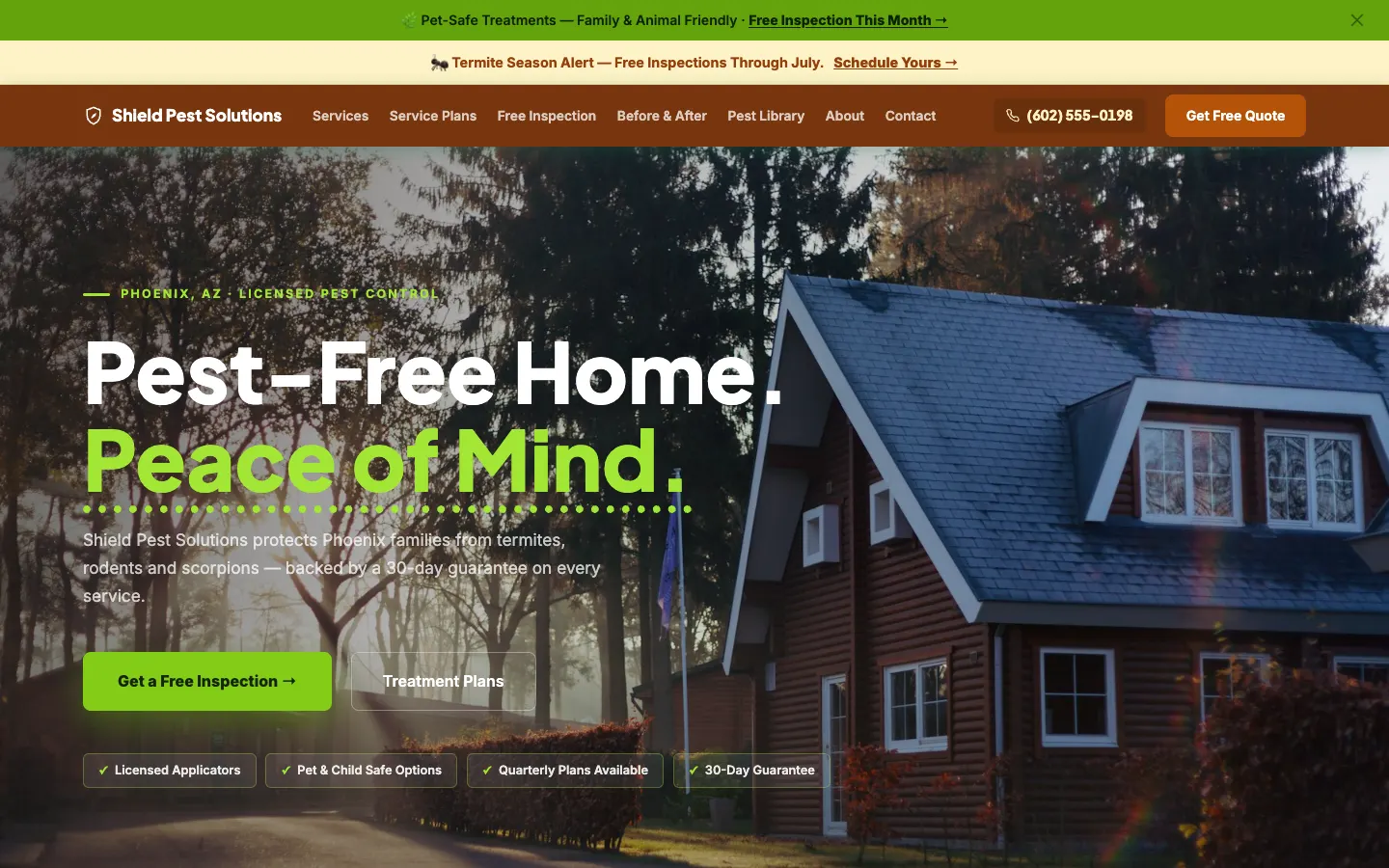
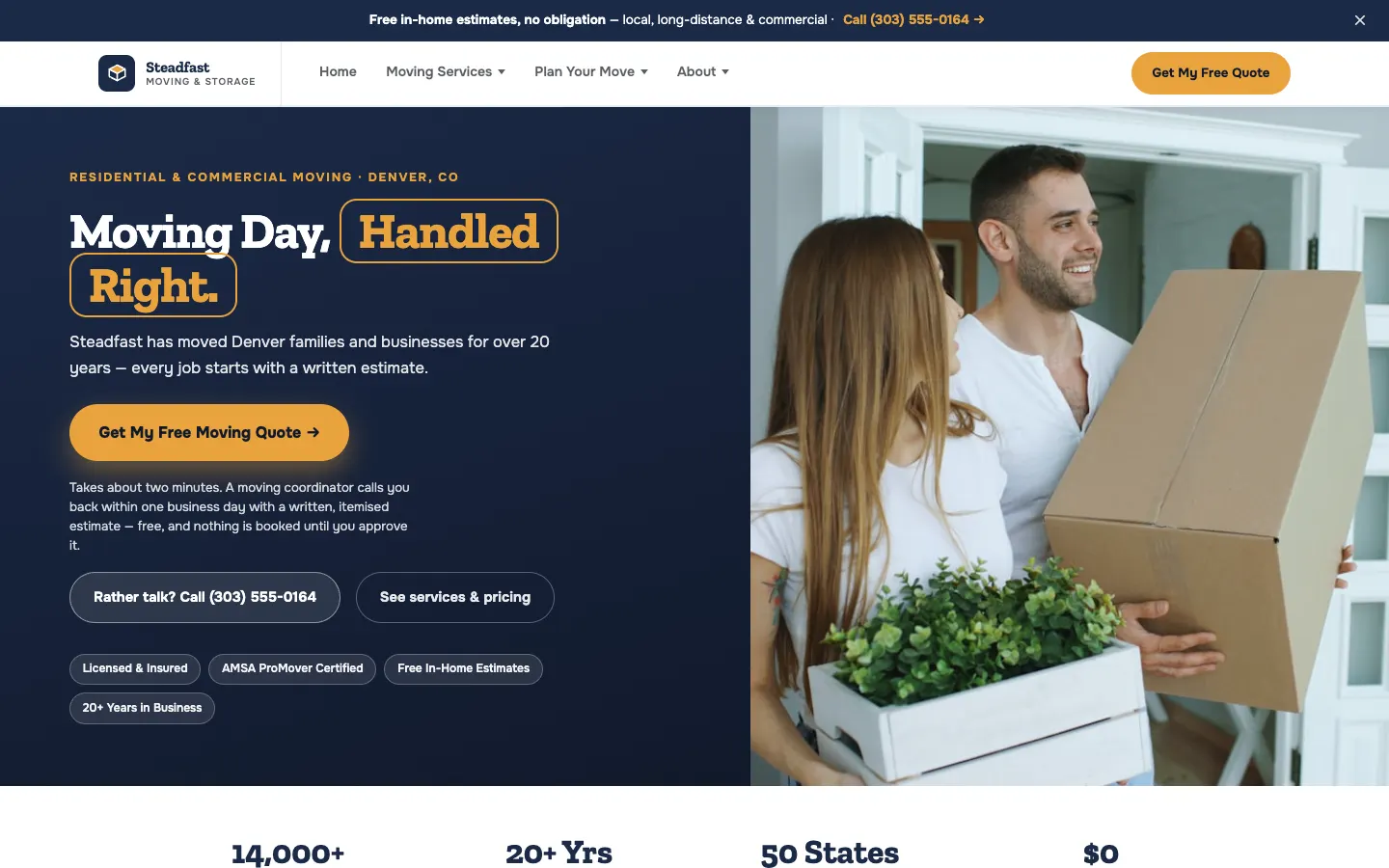
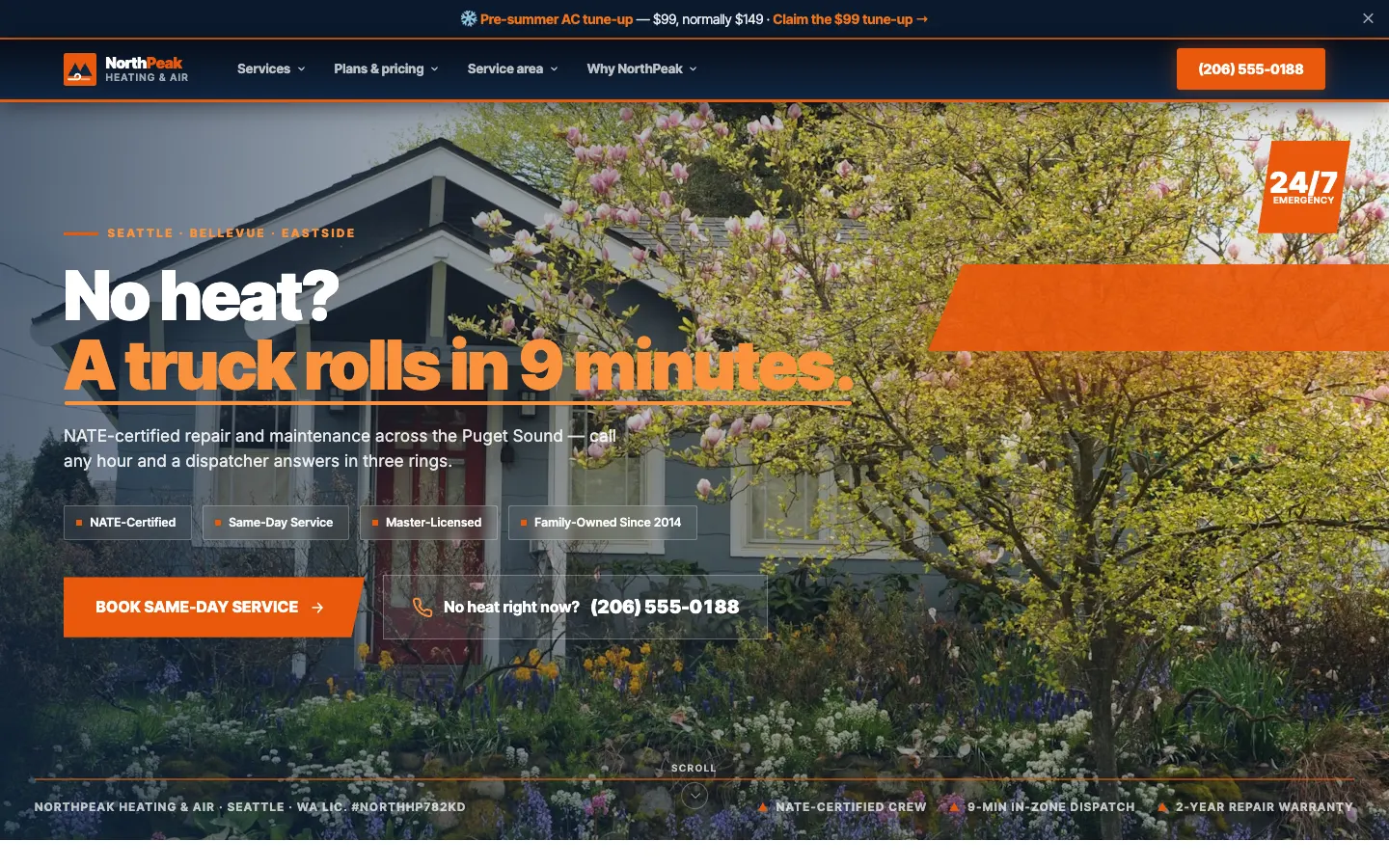
If you sell services rather than products, the first thing you need is a fast, findable website — not a marketing retainer. These are live sites running on WorkspaceCMS, our AI-powered CMS, and we build the site for free.

Every demo is a real, live site you can click through — see the full gallery

WorkspaceCMS.ai

Need the Phoenix service business website itself?

WorkspaceCMS is our AI-powered CMS — built for SEO and for how AI assistants read a site. We build the site for free and run it on a monthly plan, and Genius runs the marketing on top of it.

See WorkspaceCMS plans
  • A fast, SEO-ready site with structured data built in
  • The site build itself is included, with no setup fee
  • Content and page structure an AI assistant can actually cite
  • Local business schema, service areas and review surfaces
  • Genius runs SEO, GEO/AEO and paid on top of it
Our Process

How a Phoenix engagement runs

01

Logistics and demand mapping

We identify which regions you genuinely serve fastest and which categories that speed can win, then build pages for them.

02

Catalog template rebuild

Fitment, specification and category templates that produce distinct, indexable pages across a distributor-sized SKU count.

03

Local-calendar content plan

A publishing schedule aligned to Valley seasonality and the winter population shift rather than a national template.

04

Conversion and trust work

Shipping clarity, review markup and support content placed where they resolve hesitation before checkout.

eCommerce marketing in Phoenix — frequently asked questions

Our advantage is that we ship faster than competitors. Can SEO actually use that?

Yes, and it is usually underused. Regional shipping pages, cutoff times stated on category pages and accurate in-stock signals all influence rankings indirectly through engagement and directly through what AI assistants can quote when someone asks who delivers quickly in the Southwest.

Our summer is dead for outdoor categories. How should the calendar work?

It should invert. Phoenix demand for shade, cooling, pool and indoor categories climbs while the national outdoor calendar peaks, and your autumn is when patio and project categories come back. We plan publication two to three months ahead of each local swing.

We run a distribution warehouse here but sell nationwide. Which do we optimize for?

National category demand primarily, with regional pages carrying the speed advantage for the Southwest. Those two goals rarely conflict, and the regional pages tend to convert well above the site average because they answer a specific question.

We have over fifty thousand SKUs. Where does a program like this even start?

With a revenue and demand analysis rather than the catalog itself. A minority of categories carry most of the opportunity, and the first phase is template and technical work that lifts every page at once rather than manual editing that would take years.

Do you work with Arizona stores on paid as well as organic?

We do. Paid search and Shopping are often the fastest way to test which categories deserve deeper organic investment, and the product data work behind both is the same work.

Let's talk about your Phoenix store

A free, no-obligation growth strategy from a senior strategist — the same one you would work with.

or send us the details first
Website by WorkspaceCMS.ai