Generative Engine Optimization (GEO) is the practice of optimizing your brand’s content to be found, understood, and recommended by AI-driven generative engines like Google's Search Generative Experience (SGE), Perplexity, and ChatGPT. It complements traditional SEO by focusing on surfacing your brand within AI-generated summaries and conversational answers.
As a small business owner, you've likely spent years getting familiar with Search Engine Optimization (SEO). You know about keywords, backlinks, and meta descriptions. But the search landscape of 2026 is fundamentally different from what it was just a few years ago. The rise of AI-powered search requires a new strategy: Generative Engine Optimization, or GEO. While SEO gets users to your website, GEO gets your business's information into the AI's answer, often serving as the final destination for a user's query.
What is Generative Engine Optimization (GEO)?
GEO is a set of strategies aimed at making your business’s data, expertise, and products easily discoverable, digestible, and citable by Large Language Models (LLMs). These are the models that power tools like Google's SGE, Microsoft's Copilot, and emerging answer engines.
Think of it this way:
- SEO's Goal: Rank your webpage in the top 10 blue links.
- GEO's Goal: Embed your brand, data, and products directly into the AI-generated answer.
A 2025 consumer behavior study by the Digital Marketing Institute found that 45% of users now prefer the AI-generated summary over clicking through to a website for informational queries, a number that has steadily climbed. This shift means that if your business isn't visible in the AI snapshot, you are invisible to a massive and growing segment of your audience.
GEO vs. SEO: 5 Key Differences for Your Business in 2026
While SEO and GEO share the same ultimate goal—driving business through online visibility—their tactics and focal points differ significantly. Understanding these differences is the first step to building a future-proof digital marketing strategy.
-
The "Source" of Truth: Links vs. Citations
SEO has always valued backlinks as a primary signal of authority. A link from a high-authority site like Forbes acts as a vote of confidence. GEO, however, prioritizes direct citations and mentions from trusted, factual sources. The AI is looking to synthesize information from multiple authoritative documents. It values structured data, research papers, government statistics, and well-documented case studies. For an e-commerce store, this means ensuring your product specifications in your Shopify or BigCommerce store are detailed, accurate, and consistent everywhere they appear online.
-
Content Strategy: Keywords vs. Concepts
SEO content is often built around specific keywords (e.g., "best running shoes for flat feet"). GEO focuses on comprehensively covering concepts and answering questions in detail. An AI engine wants to understand the entire topic of "foot types and corresponding running shoe technology." A successful GEO strategy involves creating pillar content that explains the why and how, not just the what. This means detailed guides, original research, and clear explanations of your unique value proposition.
-
Technical Focus: Crawlability vs. Parsability
Technical SEO ensures a search engine crawler like Googlebot can find and index your pages. Technical GEO is about making your content easy for an AI model to parse and understand. This involves heavy use of structured data (like Schema.org markup for products, reviews, and FAQs), clear information architecture, and providing data in machine-readable formats like JSON-LD. For a WooCommerce store, this means ensuring your product schema is flawless, including price, availability, review scores, and precise specifications.
-
Authority Signals: Domain Authority vs. Authoritativeness
In SEO, Domain Authority (a Moz metric) is a proxy for a site's ranking potential. GEO is more concerned with real-world authoritativeness and expertise, often tied to specific authors or entities. This is where Google's E-E-A-T (Experience, Expertise, Authoritativeness, Trustworthiness) framework becomes critical. Having expert authors, linking to primary sources, and maintaining a consistent, factual voice across all platforms builds the kind of trust LLMs are programmed to look for.
-
Measurement of Success: Rank Tracking vs. Mention Tracking
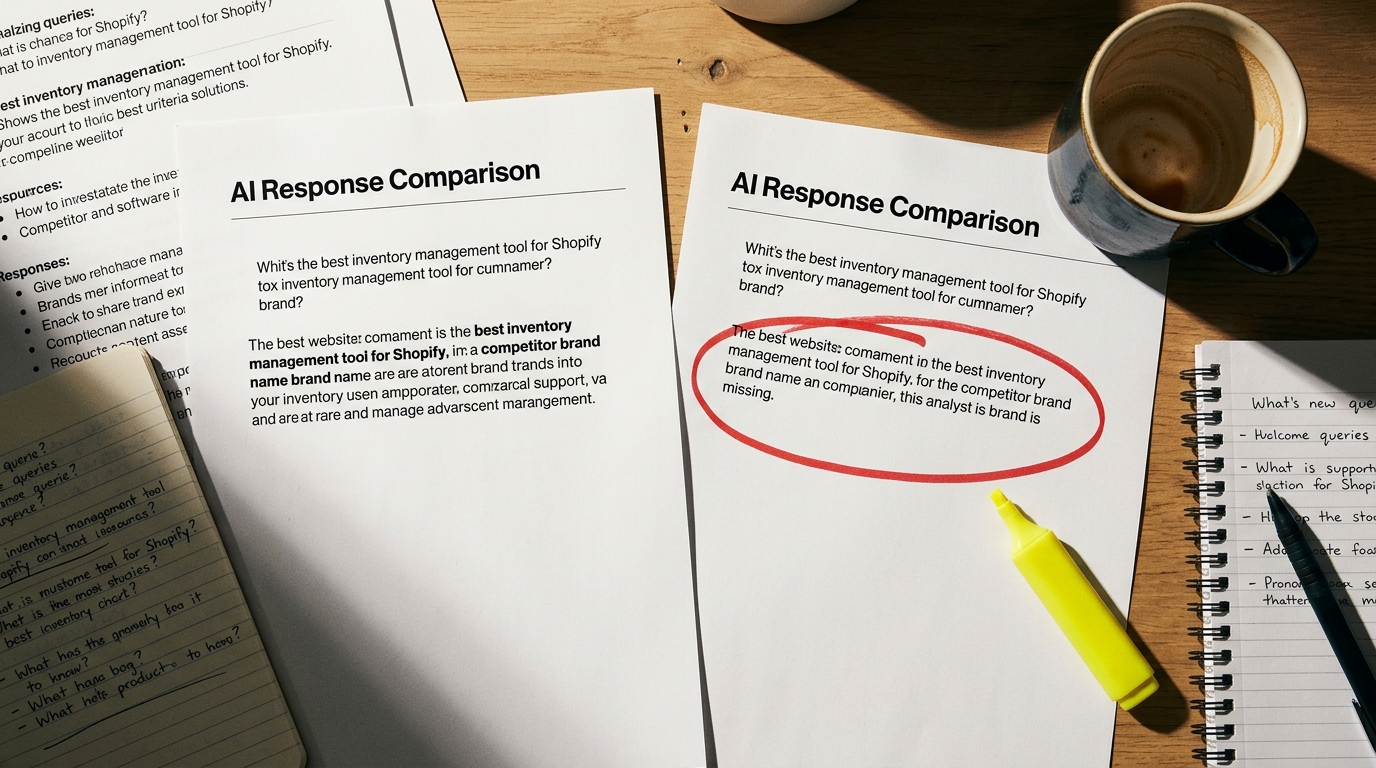
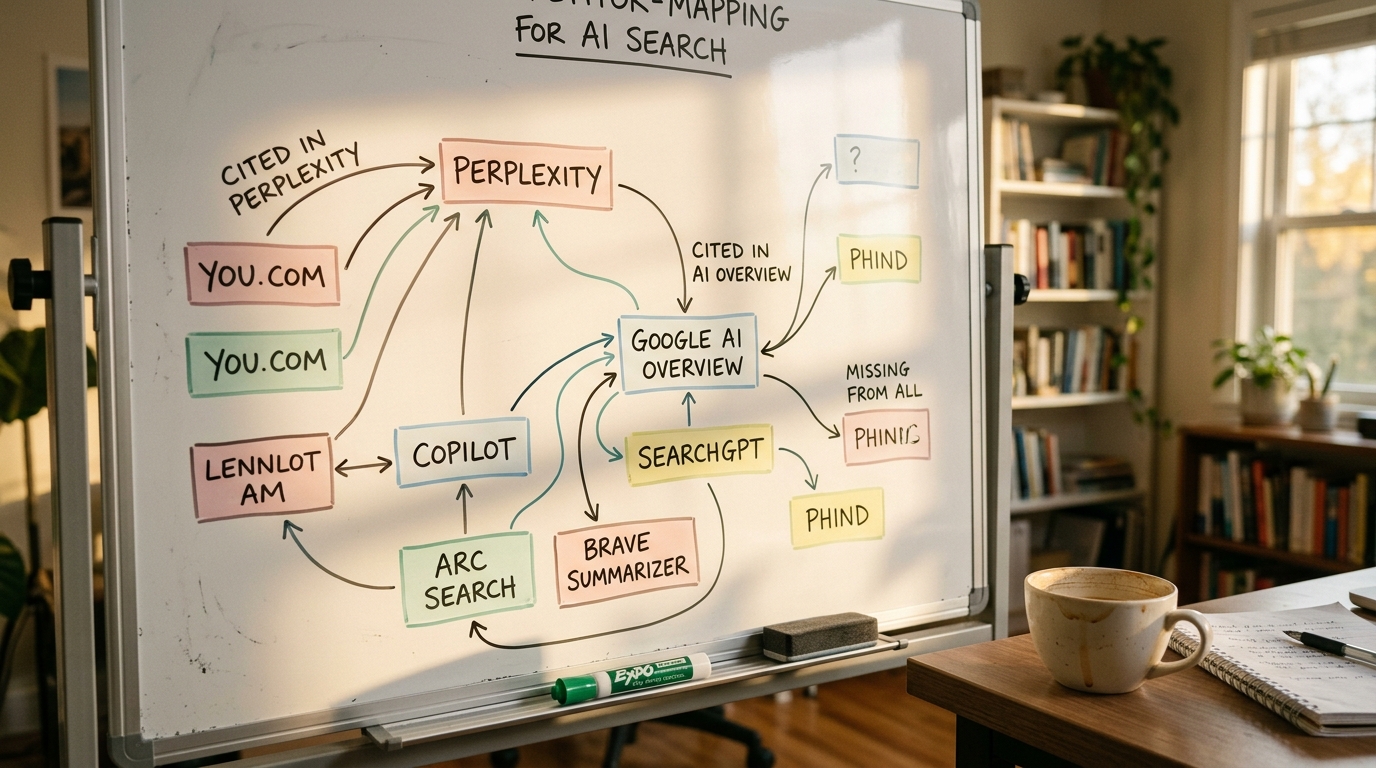
The primary KPI for SEO is keyword ranking position. For GEO, success is measured by your brand's inclusion in AI-generated answers. New tools like BrandWhisper and AIVisibilityTracker allow businesses to monitor how often their brand, products, or data are cited in AI responses for key queries. The goal is to become a "go-to" source for the AI in your niche.
3 Actionable GEO Strategies for Your Small Business
Adapting to GEO doesn't mean abandoning SEO. It means enhancing it. Here’s how to start today.
1. Create Citable, Data-Driven Content
Stop writing generic blog posts. Instead, publish content that can be used as a source.
- For Retailers: Create detailed buying guides with comparison tables, original product photography, and clear specifications. If you sell coffee, create a definitive guide to bean origins with a unique "flavor profile chart."
- For Service Businesses: Publish case studies with specific, verifiable data. Instead of "we increased client traffic," write "we increased organic traffic for Client X by 150% in Q1 2026 by implementing a targeted local SEO strategy."
- For All Businesses: Conduct a small survey of your customers and publish the results as an original "State of the Industry" report for your niche.
2. Master Structured Data and Your Knowledge Graph
Make it easy for AI to understand who you are and what you do.
- Implement Schema.org Markup: Use `Organization`, `Product`, `Review`, and `FAQPage` schema religiously. Use tools like the Schema App to automate this for your Shopify or BigCommerce site.
- Optimize Your Google Business Profile: Your GBP is a primary data source for Google's AI. Keep every single field—services, products, hours, attributes—meticulously updated.
- Maintain Data Consistency: Ensure your business name, address, and phone number (NAP) are identical across all directories and platforms. Inconsistencies erode AI trust.
3. Build Topical Authority and Expertise
Prove to the AI that you are a true expert in your field.
- Develop Expert Authors: Create detailed author bios on your site that list credentials, experience, and other publications. Link your authors to their social media profiles like LinkedIn.
- Go Deep, Not Wide: Instead of writing 10 introductory articles on 10 different topics, write 10 in-depth, interlinked articles that cover one topic from every angle. This creates a "knowledge hub" that AI models favor.
- Answer Questions Explicitly: Structure your content using questions as headers (like H2s and H3s) and then provide direct, concise answers. This format is easily digestible for LLMs looking to answer user queries.
The shift to an AI-first search world is the biggest change in digital marketing in over a decade. By understanding the principles of Generative Engine Optimization and integrating them with your existing SEO efforts, you can ensure your small business not only survives but thrives in this new era.
Frequently Asked Questions About GEO
What is Generative Engine Optimization (GEO)?
Generative Engine Optimization (GEO) is the process of optimizing digital content and data to be easily found, understood, and featured in the answers provided by AI search engines like Google SGE and Perplexity. Its goal is to make your brand a cited source within AI-generated summaries.
Is SEO dead in 2026?
No, SEO is not dead, but its role is evolving. Traditional SEO is still crucial for visibility in the classic "blue link" search results and for foundational website health. GEO is a necessary layer on top of SEO that specifically targets visibility within new AI-driven search experiences.
What is the most important first step for GEO?
The most important first step is to implement comprehensive structured data (Schema.org markup) across your website. This is the most direct way to communicate key information about your business, products, and content to AI models in a language they are built to understand.