Optimizing for "near me" queries in AI Overviews requires a focused strategy on Generative Engine Optimization (GEO). This involves structuring your business data for easy parsing by large language models (LLMs), cultivating hyperlocal signals through customer reviews and local content, and ensuring technical precision with your Google Business Profile (GBP) and local schema markup. This approach goes beyond traditional SEO by directly feeding AI the citable, authoritative information it needs to feature your business.
The Shift from SEO to GEO for Local Businesses
For years, small business owners have focused on Search Engine Optimization (SEO) to climb Google's blue links. The game was about keywords, backlinks, and mobile-friendliness. But the introduction and rapid expansion of Google's AI Overviews (formerly Search Generative Experience, or SGE) has fundamentally changed the search landscape. In 2026, simply ranking #1 is no longer the ultimate goal. The new goal is to become a cited, authoritative source within the AI-generated answer itself.
This is where Generative Engine Optimization (GEO), sometimes called AI Engine Optimization (AEO), comes in. GEO is the practice of optimizing your entire digital presence - website, business profiles, and third-party mentions - to be understood, trusted, and recommended by generative AI models.
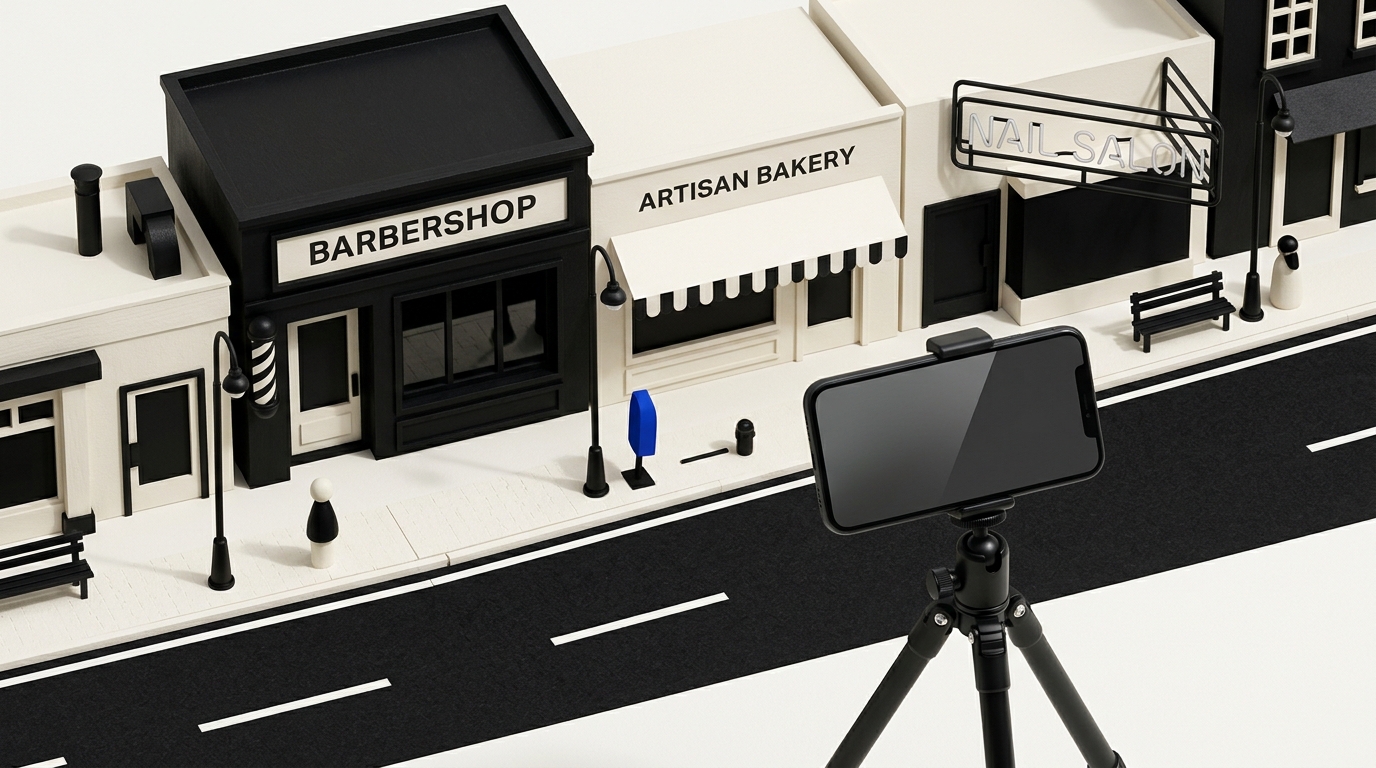
For a local retail shop or service provider, a "near me" search is a critical moment. A user searching for "best coffee shop near me" or "emergency plumber in downtown" isn't browsing; they're ready to buy. Previously, getting into the "local 3-pack" map was the key. Now, you must also be featured in the AI Overview that often appears *above* the map pack. A 2025 study by BrightEdge found that AI Overviews were present in over 84% of informational queries, and their prevalence in local commercial queries continues to grow in 2026.
Core Pillars of Local GEO Strategy for 2026
To capture "near me" traffic in an AI-first world, your strategy must be multi-faceted. It's less about tricking an algorithm and more about providing clear, verifiable facts that an AI can confidently present to a user.
1. Master Your Google Business Profile (GBP)
Your GBP is the single most important data source for Google's AI when answering local queries. It is a direct feed of structured information about your business. Incomplete or inaccurate profiles are a major red flag for LLMs, which prioritize certainty.
- Complete Every Field: Don't skip the "from the business" description, attributes (like "wheelchair accessible" or "outdoor seating"), or service areas. Use the full 750 characters for your business description.
- Use Google Products: Actively use features like Google Posts, Q&A, and appointment booking links directly within your profile. This creates fresh, relevant signals that AI models can parse. Answer questions posted in the Q&A section promptly; this content often appears directly in AI Overviews.
- Upload High-Quality, Geotagged Photos: Add photos of your storefront, products, team, and interior. Ensure your smartphone has location services enabled when taking photos so they contain valuable EXIF geo-data. Name the image files with descriptive keywords (e.g., "bakery-name-brooklyn-croissants.jpg").
2. Structure Your Website Data with Local Schema
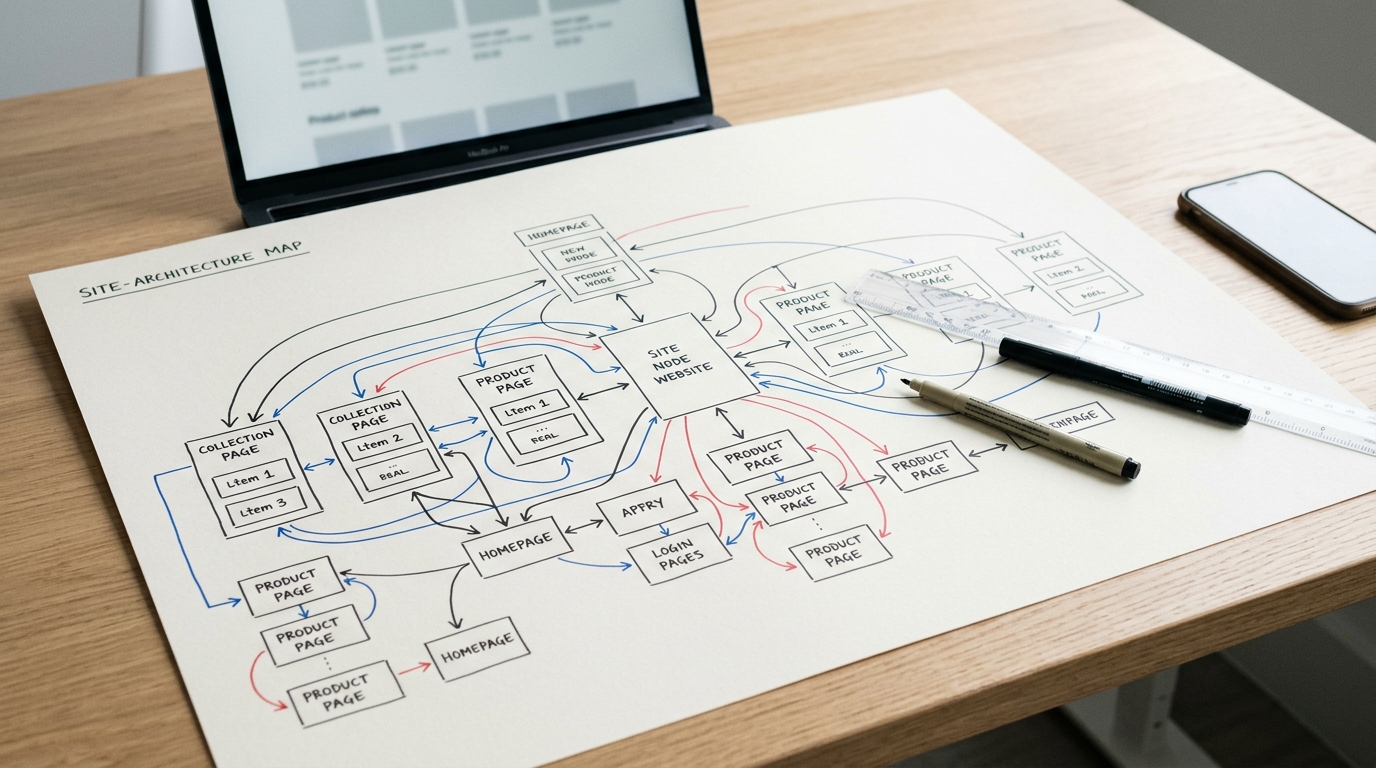
Schema markup is code that you add to your website to help search engines understand your content. For AI, it’s like a pre-formatted, easy-to-read dossier on your business. It removes ambiguity.
For "near me" searches, the LocalBusiness schema type is non-negotiable. Within it, you must define:
@type: Be specific (e.g.,Restaurant,Dentist,HairSalon).name: Your official business name.address: IncludingstreetAddress,addressLocality(city),addressRegion(state), andpostalCode.geo: Withlatitudeandlongitudecoordinates.telephone: Your primary business phone number.openingHours: Detailed hours for every day of the week.
Tools like Google's Rich Results Test can validate your schema implementation. For ecommerce platforms like Shopify or BigCommerce, specialized apps can help inject this code without manual editing.
3. Cultivate Hyperlocal Signals and Reviews
AI Overviews look for consensus. They don't just take your word for it; they cross-reference what others say about you. This is where reviews and local citations become critical GEO factors.
- Review Velocity and Sentiment: Encourage recent, positive reviews on your GBP. The AI analyzes the *text* of these reviews. Reviews mentioning specific products or services ("The latte art was incredible!") provide citable details for queries like "best latte near me."
- Consistent NAP: Your business Name, Address, and Phone number (NAP) must be identical across all major directories (Yelp, TripAdvisor, industry-specific sites). Inconsistencies create doubt for the AI.
- Local Content Creation: Write blog posts or create landing pages about local events, neighborhood guides, or partnerships with other local businesses. A post titled "Our 5 Favorite Things to Do in the North End" signals your local authority and provides citable content for the AI.
Traditional SEO vs. Generative Engine Optimization (GEO): The Key Differences
While GEO builds on the foundation of SEO, the focus and tactics have evolved. Understanding this distinction is key for small business owners allocating their marketing resources in 2026.
SEO vs. GEO for Local Business
Factor Traditional SEO (Pre-AI Overviews) Generative Engine Optimization (GEO) Primary Goal Rank in the top 10 blue links or the map 3-pack. Be cited as an authoritative source within the AI Overview. Keyword Focus Matching specific keywords (e.g., "plumber chicago"). Answering conversational questions and entity recognition (understanding "plumber" as a service concept). Content Strategy Long-form blog posts optimized for a primary keyword. Factual, easily quotable content; FAQ pages, "About Us" with clear expertise signals. Technical Focus Page speed, mobile-friendliness, simple meta tags. Advanced schema markup (LocalBusiness, FAQPage), data structure, API-readiness.
Off-Page Signal
Backlinks from high-authority websites.
Citations, review sentiment analysis, consistency across knowledge panels and directories.
Putting It All Together: Your Local GEO Checklist
Getting featured in AI Overviews for "near me" searches is an ongoing process, not a one-time fix. Here is a practical checklist to get started:
- Audit Your Google Business Profile: Go through every single section of your GBP today. Is every field filled out? Are your hours for 2026 correct? Are there unanswered questions in the Q&A?
- Implement
LocalBusinessSchema: Use a schema generator tool or a plugin for your WooCommerce or Shopify site to create and deploy this code on your homepage and contact page. - Check NAP Consistency: Use a tool to scan your business listings across the web. Correct any inconsistencies, starting with the most prominent directories.
- Launch a Review Generation Campaign: Set up a simple system (via email or a text follow-up) to ask happy customers for a Google review. Respond to all reviews - positive and negative.
- Create One Piece of Hyperlocal Content: Write a blog post about a local topic relevant to your business. This demonstrates community involvement and provides fresh, local context for AI models to ingest.
By focusing on providing clear, structured, and reputable information, you align your business with the core principles of generative AI: authority, trust, and helpfulness. This is the most sustainable path to winning high-intent "near me" customers in 2026 and beyond.
Frequently Asked Questions About Local GEO
What is Generative Engine Optimization (GEO)?
Generative Engine Optimization (GEO) is the process of optimizing a brand's digital presence to be favorably understood, interpreted, and featured by generative AI models like Google's AI Overviews. It focuses on structured data, factual accuracy, and demonstrating expertise to become a citable source in AI-generated answers.
How is GEO different from local SEO?
While related, local SEO focuses on ranking factors for traditional search results like the map pack and organic links (e.g., backlinks, keyword density). GEO focuses more on becoming a direct source for the AI itself, emphasizing structured data like schema markup, detailed Google Business Profile information, and consistent data across multiple platforms that the AI uses for verification.
Does my small business really need to worry about AI Overviews?
Yes. As of 2026, AI Overviews appear for a significant and growing number of local, commercial-intent queries ("near me," "best in [city]"). Because they appear at the very top of the search results page, they capture user attention first. Failing to be visible in the AI Overview means you are losing visibility to your most motivated customers.
What is the most important first step for local GEO?
The single most important and impactful first step is to fully complete and continuously maintain your Google Business Profile (GBP). This is Google's primary, trusted source of information about your local business, and it is the data set AI Overviews rely on most heavily for "near me" queries.