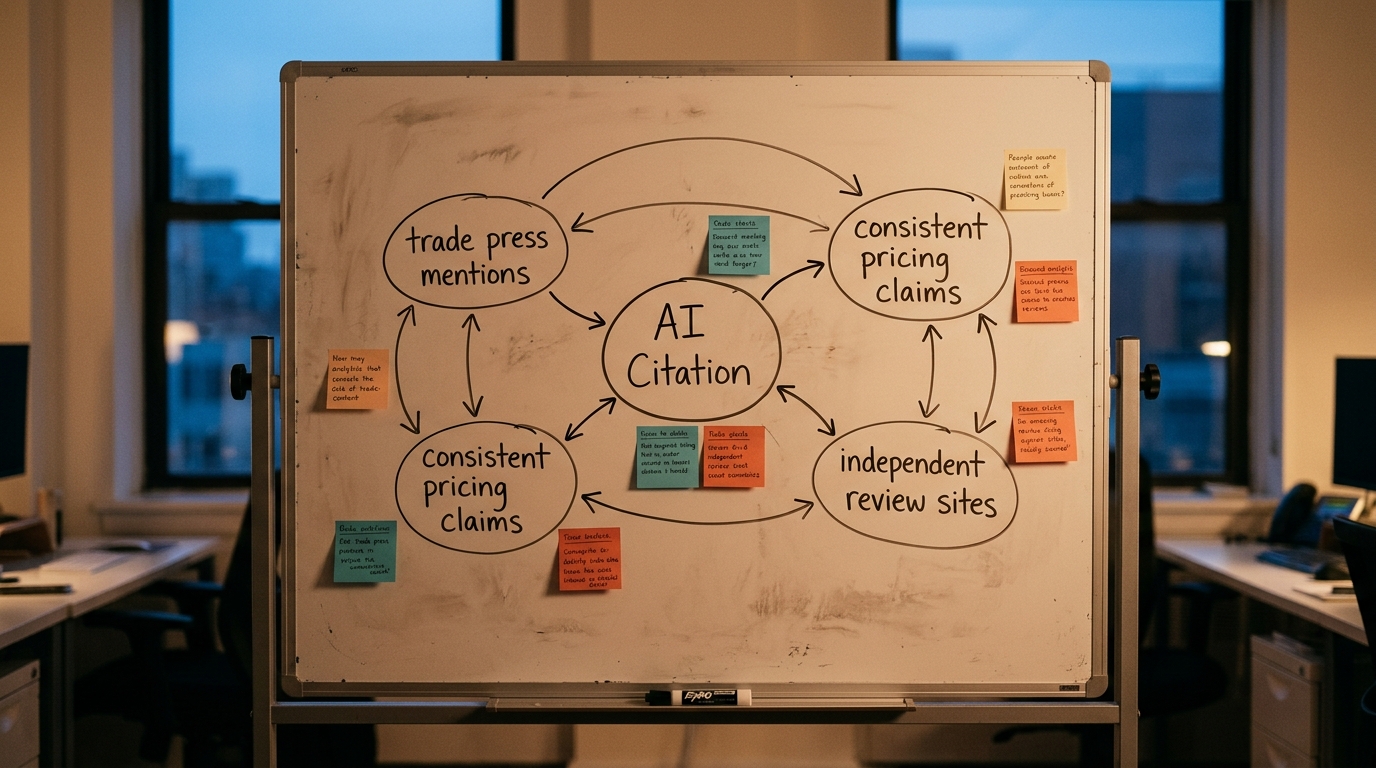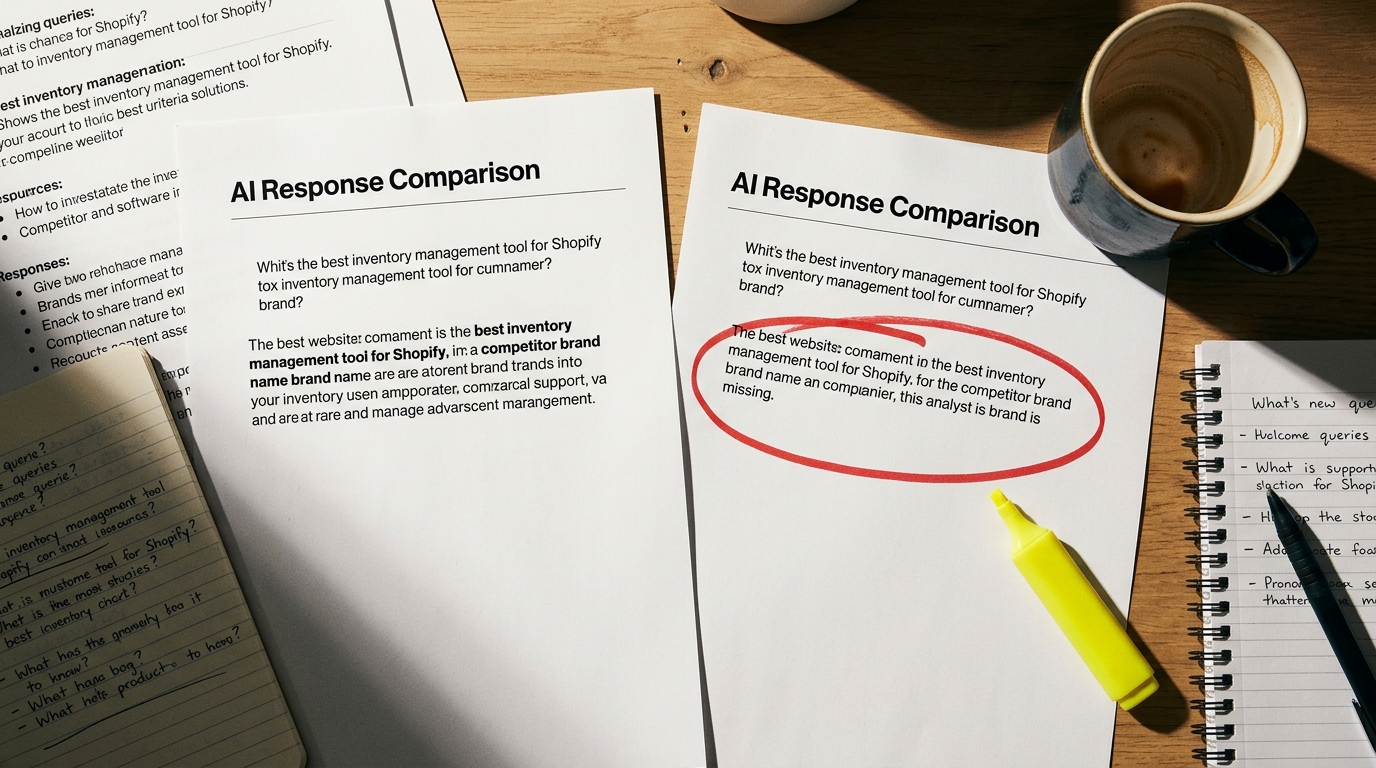
Generative Engine Optimization (GEO) is the practice of optimizing your website's content and technical structure to be discoverable, citable, and accurately represented by AI-powered search engines and conversational agents. It expands on traditional SEO by focusing on machine-readability and entity recognition for Large Language Models (LLMs).
From SEO to GEO: Why Your 2025 Playbook Is Obsolete
For two decades, Search Engine Optimization (SEO) was a game of keywords, backlinks, and user experience signals aimed at ranking on a list of blue links. The goal was simple: get the click. In 2026, that game has fundamentally changed. The rise of AI-native search experiences like Google's Search Generative Experience (SGE), Perplexity, and ChatGPT has introduced a new paradigm: Generative Engine Optimization (GEO), also called AI Engine Optimization (AEO).
Instead of just ranking your site, these AI engines directly answer user queries by synthesizing information from multiple sources. They generate paragraphs, lists, and direct answers, often citing their sources. If your website isn't a citable, trusted source, you don't just lose a ranking—you become invisible. The user gets their answer without ever needing to click through to your site.
This shift from "ranking" to "being cited" means the old technical SEO audits are no longer sufficient. You need a new stack of audits designed to ensure your site is a prime source for AI models. A 2025 study from BrightEdge revealed that AI-generated overviews were already present in over 84% of informational queries. That number is projected to exceed 95% by the end of 2026, making GEO a non-negotiable strategy for survival.
The 7 Technical GEO Audits for AI-Driven Search
Traditional audits for crawlability, indexability, and page speed are still foundational. However, to optimize for AI search, you must go deeper. Here are seven essential technical audits your business needs to be running now.
1. The Source Attribution Audit
The Goal: Ensure AI engines can easily cite your content as a source, driving brand visibility and potential click-throughs from within the generated answer.
AI answers often feature citations or links back to the original source material. If your content is difficult to attribute, the AI may synthesize the information but cite a competitor—or no one at all. This audit verifies that your content is structured for clear attribution.
- Check for Persistent Author Information: Use author schema (
Person) linked to detailed author pages with credentials and social profiles. - Verify Clear Publication & Update Dates: Implement
datePublishedanddateModifiedschema. AI models prioritize fresh, timely information. - Analyze In-text Citations: If you cite external data, link to the primary source. This positions your site as a well-researched hub, which LLMs value.
2. The Entity Reconciliation Audit
The Goal: Define your brand, products, and key people as unambiguous "entities" that LLMs can understand and connect to other information across the web.
LLMs don't think in keywords; they think in entities. An entity is a person, place, organization, or concept. This audit ensures the AI knows exactly who you are and what you do.
- Structured Data Consistency: Is your
Organizationschema markup the same on every page? Does it link to the same official social profiles and Wikidata entry? - Disambiguation: If your brand name is a common word (e.g., "Prime"), use
sameAsschema to link to your Wikipedia, Crunchbase, and official profiles to eliminate confusion. - Product & Service Entities: For ecommerce stores, ensure every product has robust
Productschema with unique identifiers like GTINs or MPNs. For service businesses, useServiceschema with clearly defined service areas (areaServed).
3. The Crawl Path & Saliency Audit
The Goal: Make it exceptionally easy for AI crawlers to find your most important, authoritative content and understand its relationship to other pages.
Unlike traditional crawlers that follow links, AI crawlers may also process information based on semantic relevance and site structure to build their knowledge graphs. Your site architecture must communicate content hierarchy clearly.
- Internal Linking Structure: Ensure your cornerstone content has a high number of relevant, descriptive internal links pointing to it. Use tools like Screaming Frog or Sitebulb to visualize your link architecture.
- Breadcrumb & URL Structure: Use keyword-rich, logical URLs and implement
BreadcrumbListschema. This provides a clear path for crawlers to understand where a page sits within your site's hierarchy. - XML Sitemap Granularity: Go beyond a single sitemap. Create separate sitemaps for posts, pages, products, and authors. For authors, ensure sitemaps lead to pages that establish their expertise.
4. The Content Modality Audit
The Goal: Ensure your key information is available in multiple formats (text, images, video) and that each format is optimized for machine interpretation.
Multimodal LLMs like Google's Gemini process information from text, images, and video simultaneously. Optimizing only for text leaves valuable context on the table.
- Image Optimization: Are your images using descriptive filenames and comprehensive alt text that explains the image's content and context? Implement
ImageObjectschema. - Video Optimization: Are you providing full transcripts for videos? Use
VideoObjectschema, and consider uploading a transcript file (.vtt) to help models parse the content without "watching" it. - Data Tables & Lists: Structure quantitative data in clean HTML tables (
) and use ordered (
5. The Structured Data Completeness Audit
The Goal: Move beyond basic schema and implement advanced, nested schema to provide maximum context to AI models.
In 2026, simply having Product schema is not enough. You must provide a rich, detailed picture of that product and its place in the world.
AggregateRating on the product page.
Nested Review schema with individual reviewer Person or Organization schema, including reviewRating and reviewBody for each.
Article Author
Simple author name as text.
Nested Person schema for the author with sameAs links to their LinkedIn and portfolio, establishing E-E-A-T (Expertise, Experience, Authoritativeness, Trustworthiness).
Local Business
LocalBusiness schema with address and phone number.
LocalBusiness schema with nested openingHoursSpecification, hasOfferCatalog pointing to services, and geo coordinates.
How-To Guide
A blog post with H2s for each step.
Full HowTo schema with nested HowToStep and HowToDirection for each action, including required HowToTool or HowToSupply items.
6. The AI Visibility Tracking Audit
The Goal: Monitor how and where your brand is being cited in AI-generated answers, not just where you rank in traditional search results.
Your rank tracking tools are now only showing you half the picture. You need new tools to monitor your "citation share" in the generative space.
- Citation Monitoring: Use tools like AlsoAsked's Generative Engine Optimization suite or BrightEdge Generative Parser to track when your domain is cited in AI snapshots for your target queries.
- Brand Mention Analysis: Track mentions of your brand within AI answers, even when you aren't directly cited with a link. This indicates brand recall and entity association.
- Competitive Analysis: Identify which competitors are most frequently cited for your core topics. Analyze their content structure and schema to find gaps in your own strategy.
7. The Content Uniqueness & Provenance Audit
The Goal: Prove to AI models that your content is original, based on unique data or experience, and not just a rewrite of existing information.
LLMs are designed to synthesize existing information. If your content is generic, the AI has no reason to cite you over a more authoritative domain. Originality is your new moat.
- Data & Research: Does your content feature proprietary data, survey results, or case studies? Use
Datasetschema to mark up this unique information. - First-Hand Experience: Clearly signal first-hand experience. Use phrases like "in our testing," "we bought and reviewed," and support these claims with original photos and videos.
- Plagiarism Checks: Run your own content through advanced plagiarism detectors to ensure no part of it can be misconstrued as duplicative, which can diminish its perceived value to an LLM.
The transition to an AI-first search landscape is the most significant shift in digital marketing in a decade. By moving beyond traditional SEO and embracing these seven technical GEO audits, you can position your business not just to survive, but to thrive by becoming a trusted, citable authority in the age of generative answers.
Frequently Asked Questions about GEO
What is Generative Engine Optimization (GEO)?
Generative Engine Optimization (GEO), or AI Engine Optimization (AEO), is the practice of technically and strategically optimizing a website so its information can be easily found, understood, and cited as a source by AI-powered search engines and large language models. The goal is to be featured and attributed within AI-generated answers, not just to rank in a list of links.
How is GEO different from traditional SEO?
While SEO focuses on ranking for keywords to earn a click, GEO focuses on becoming a citable entity to earn a mention or citation within a generated answer. GEO places a much heavier emphasis on structured data, entity reconciliation, content provenance, and machine-readability over traditional signals like simple keyword density or raw backlink counts.
What are the most important tools for a GEO audit in 2026?
Your GEO toolkit should include a traditional crawler (like Screaming Frog or Sitebulb), a schema validation tool (like Schema.org's validator), and a new class of AI visibility trackers (like BrightEdge Generative Parser or Semrush's "Citation Share" report). You also need a strong understanding of knowledge graphs and entity databases like Wikidata.